Winter Weather
Our Approach to Winter Operations
Safety is our top priority at Nashville International Airport® (BNA®), and winter conditions require heightened preparations to ensure safe travel. Our Operations and Maintenance Teams diligently prepare for months in anticipation of winter weather.
During these periods, we proudly collaborate with our airline partners to ensure traveler safety with as few delays as possible.
While BNA stocks ice melt and de-icing materials for runways and other paved surfaces, airlines are responsible for providing their own aircraft de-icing agents and performing deicing on their aircraft, and stocking supplies for passengers experiencing significant delays.
BNA’s Role During Winter Weather
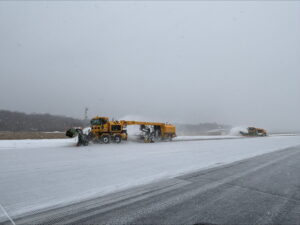
Airfield Maintenance
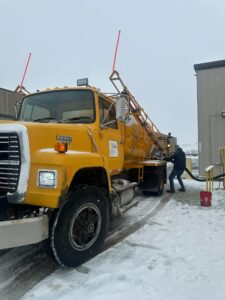
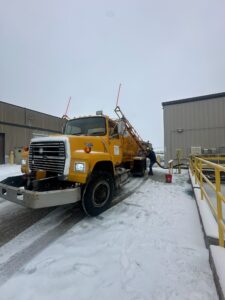
Prepare and maintain runways, taxiways, ramps and perimeter roads before, during and after winter weather
Landside Maintenance
Prepare and maintain landside areas — including parking lots, sidewalks, walkways, garages and airport roadways — throughout winter weather events
Facility Safety
Conduct proactive inspections for leaks, burst pipes and other safety concerns
Environmental Oversight
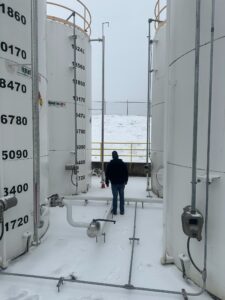
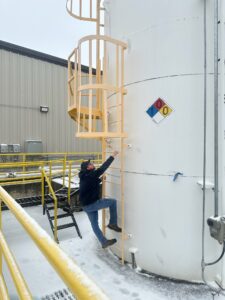
Continuously monitor the environmental impact of deicing operations on an ongoing basis
Airline Responsibilities in Winter Conditions
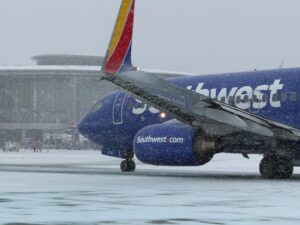
Airline partners manage several key elements of flight operations, including de-icing procedures, aircraft scheduling, parking at their leased gates, aircraft movement from gates, and the safe boarding and deplaning of passengers.
When an airline keeps an aircraft parked at a gate longer than scheduled, it can delay the next arriving flight assigned to that gate. Airlines are responsible for managing these delays, including passenger care, communication and resolving any resulting disruptions.
If an airline keeps an aircraft parked on the ramp for an extended period, the airline is responsible for the aircraft and the well-being of its passengers. This includes providing timely updates, maintaining comfort and offering assistance as needed throughout the delay.
De-Icing Operations
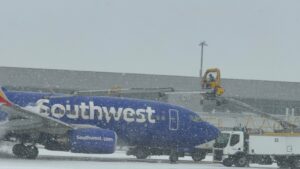
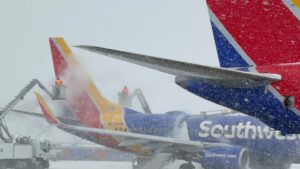
De-ice their aircraft and keep all necessary de‑icing supplies and equipment fully stocked.
Flight Operations
Scheduling arrivals and departures and managing all aircraft movement to and from their leased gates.
Flight Scheduling
Decide when flights are delayed, cancelled, or diverted. Passengers should stay in close contact with their airline for the latest updates.
Passenger Support
Stocking essential supplies, providing passenger care, and giving timely updates for travelers experiencing significant travel disruptions.
Passenger Safety
Ensure safe and orderly passenger boarding and deplaning.
Operational Safety
Ensure safe operation and maintenance of aircraft, operating systems and ground support / IT equipment.
Staffing Management
Ensure adequate staffing across airline teams to maintain smooth operations in winter conditions.
Ground Stops / Ground Delays
BNA does not issue ground stops or ground delays.
Only the Federal Aviation Administration (FAA) has the authority to issue these directives—airports do not control or enforce them.
Winter Weather Gallery
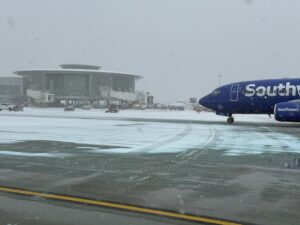
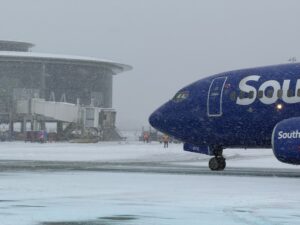
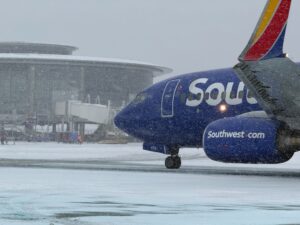
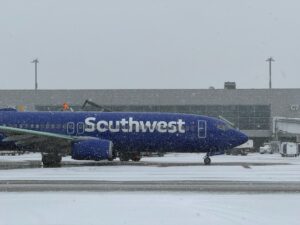
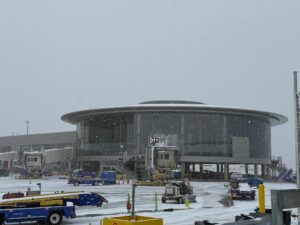
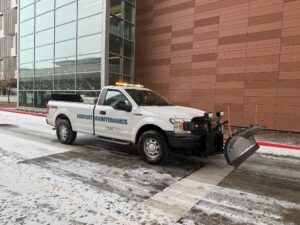
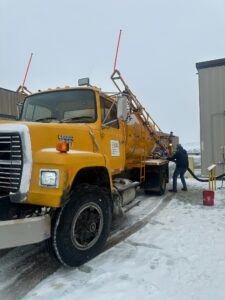
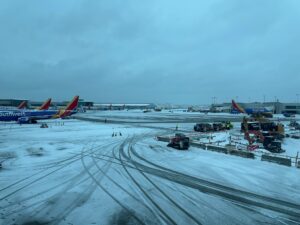
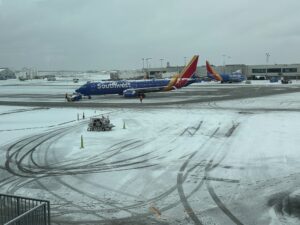
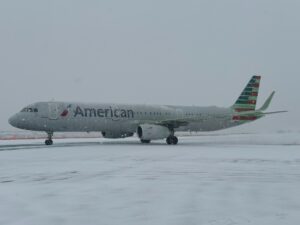
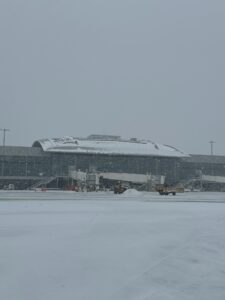
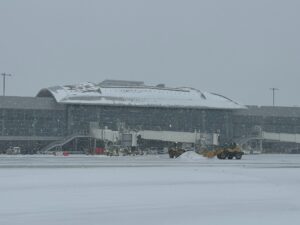
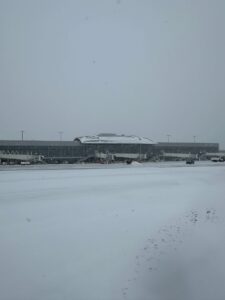
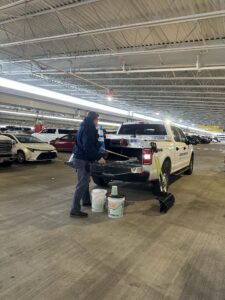
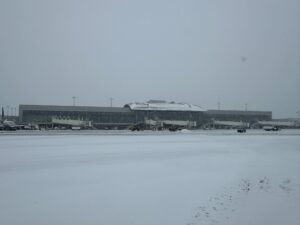
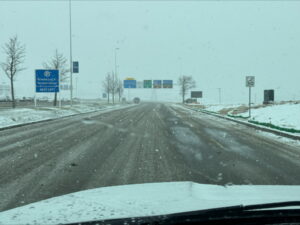
January 2026 Snowstorm